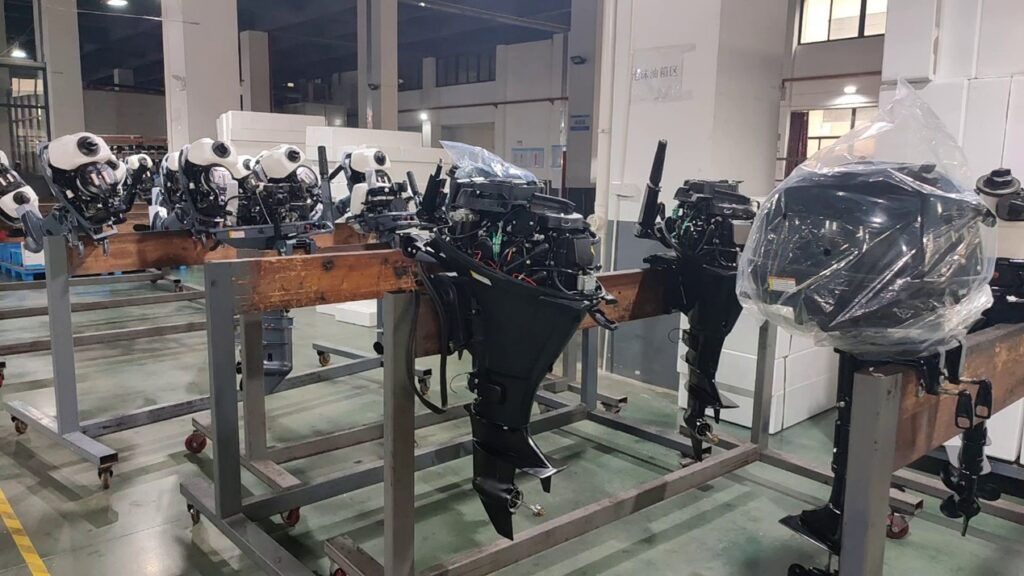
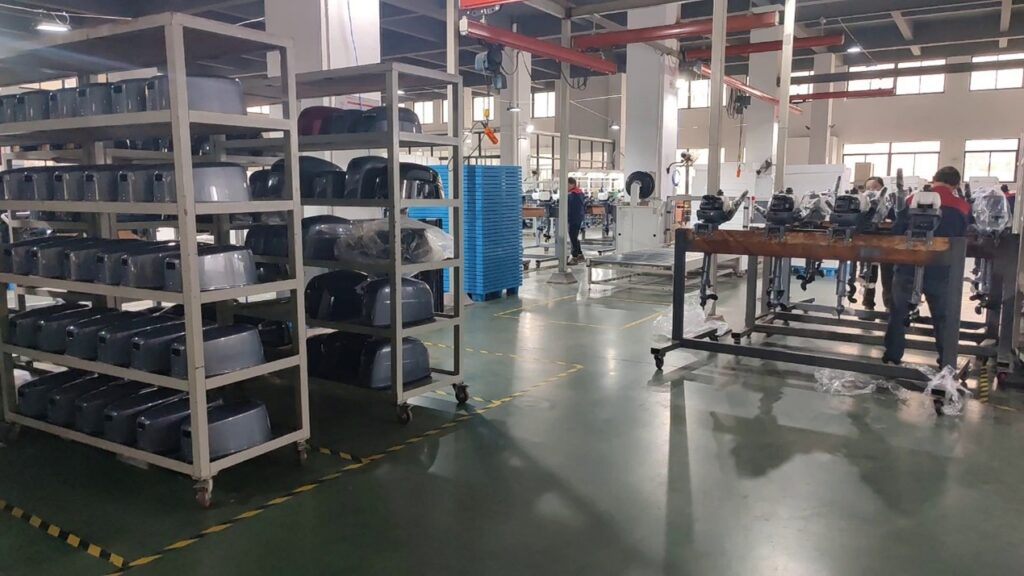
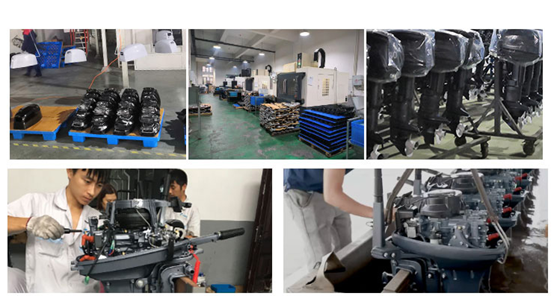
When Jane stepped into Tony’s warehouse in Mombasa, Kenya, she sensed immediately that this meeting could redefine her company’s foothold in Africa.
Tony, a leading distributor of fishing boat equipment, had struggled with stagnant inventory of outboard motors, largely due to seasonal rains and inconsistent after-sales support across coastal regions. Against this backdrop, what followed became a masterclass in client-centric service—ultimately leading to a USD 200,000 order and a repeatable blueprint for succeeding in emerging markets.
Preparing Before the First Handshake
Before the meeting even began, Jane had already done her homework.
Africa’s outboard motor market grew by 27% in 2023 (Frost & Sullivan). However, erratic power supply continued to make nearly 60% of buyers skeptical about long-term after-sales support. With this reality in mind, Jane arrived with solutions tailored to Tony’s exact operating environment.
She presented:
- Customized technology, including prototypes with solar self-charging systems tested against Kenya’s low-octane gasoline
- Market intelligence, such as Tony’s annual import volume of 500 units, verified through customs data
- Scenario adaptation, including anti-corrosion coatings for mangrove operations and certifications for 4-meter wave resistance
When Tony examined the data, he nodded but raised a practical concern.
“Your storm-test video is impressive,” he said, “but how do we charge these in remote villages with no electricity?”
Instead of answering verbally, Jane unlatched a motor casing and revealed photovoltaic panels embedded in the cover.
“Three hours of sunlight powers a full fishing trip,” she explained.
Solving Problems on the Spot
During a warehouse walk-through, Jane noticed something Tony’s team had quietly accepted as unavoidable—clogged carburetors in unsold inventory.
Rather than deferring the issue, she immediately disassembled a sample motor and demonstrated maintenance using an ethanol-based cleaner from her toolkit.
“We’ll retrofit dual-filter systems into your existing stock,” she said, “fully compliant with China’s Fisheries Anti-Sand Standards.”
At this point, competing suppliers had already declined to absorb the retrofit cost. By contrast, Jane’s proposal included the upgrades at no additional charge.
The difference was clear: this was not salesmanship—it was operational problem solving.
Navigating Price Talks with Cultural Intelligence
Still, one hurdle remained.
Negotiations stalled over a USD 15 per unit price difference. Rather than pushing harder, Jane changed tactics—and language.
Switching to Swahili, she smiled and said:
“Harusi ya mwaka huitaji subira kama mbio za ngamia.”
(An annual deal requires the patience of a camel race.)
Immediately, the room relaxed.
They finalized a tiered agreement:
- First 200 units: target price locked
- Beyond 200 units: 2% discount per additional 100 units
- Value-added support: VR simulators for crew training
Later that evening, Jane presented Tony’s daughter with LED headlamps for her night studies—a small gesture, yet one that resonated deeply.
“You understand what we truly need,” Tony admitted.
Extending the Relationship Beyond the Order
After the contract was signed, Jane’s team moved quickly to turn commitment into infrastructure.
They launched “Shield Africa”, a regional support framework that included:
- A Nairobi spare parts hub, enabling 48-hour response times
- WhatsApp-based technical support, with local mechanics trained for video-guided troubleshooting
- AR maintenance manuals, translated into Swahili and accessible via smartphones
As a result, within three months Tony’s market share rose from 18% to 31%, with a follow-up LC already in preparation.
“You don’t just sell motors,” Tony later told Jane.
“You sell peace of mind for fishermen stranded at 3 AM.”
What Global Traders Can Learn from This Case
Taken together, this project highlights several principles relevant to emerging markets:
- Precision preparation turns data into credibility
- Technical empathy addresses both visible and hidden pain points
- Cultural fluency shortens negotiation distance
- Post-sale commitment converts one-time buyers into ecosystem partners
Ultimately, as Africa’s blue economy continues to expand, Jane’s story shows that expertise alone is not enough. When paired with empathy, it becomes transformative.